
For grounds professionals, every successful line marking job starts long before the paint reaches the grass. Weather plays a significant role in the condition of the playing surface and, ultimately, the quality of the finished result.
From prolonged summer droughts and heavy rainfall to frosty mornings, strong winds and heavy dew, changing weather conditions can all influence how your line markings look and how long they remain visible.
Following recent periods of hot, dry weather experienced across parts of the UK, many natural grass pitches become stressed and discoloured. While we can’t control the weather, we can prepare for it.
By understanding how different conditions affect your surface, selecting the right paint and maintaining your equipment, you can continue producing bright, professional-quality markings throughout every season.
Weather Affects More Than the Paint
One of the biggest misconceptions about line marking is that the weather only affects the paint.
In reality, it is usually the playing surface that changes the most.
On natural and hybrid pitches, temperature and rainfall influence:
- Grass growth and density
- Leaf moisture
- Soil moisture
- Surface firmness
- Turf wear and recovery
- Dust, debris and grass clippings
Synthetic turf and hard surfaces are affected differently, often retaining heat, collecting debris or holding surface water that should be removed before marking.
Successful line marking depends on three key factors:
- Preparing the surface correctly.
- Choosing the right paint for that surface.
- Applying it using clean, well-maintained equipment.
1. Prolonged Dry Weather and Drought-Stressed Turf
The recent spell of hot, dry weather has demonstrated just how quickly natural grass can change.
During prolonged dry periods, grass growth slows, the sward becomes thinner and worn areas become more visible. Harder ground can also make routine maintenance more challenging.
These conditions don't necessarily reduce the quality of the paint itself, but they can affect the overall appearance of your finished markings if the surface hasn't been prepared properly.
Before marking during dry conditions:
- Inspect existing lines across the entire pitch.
- Remove dry clippings, dust and loose debris.
- Avoid mowing already stressed turf unnecessarily low.
- Check worn areas where grass cover has reduced.
- Ensure your line marker is producing an even spray pattern.
- Plan irrigation so the surface isn't excessively wet immediately before marking.
During prolonged periods of hot weather, many grounds professionals also choose to mark earlier in the morning or later in the afternoon when both temperatures and surface temperatures are lower.
Fleet offers a wide range of paints suitable for natural and hybrid grass, including products such as Pitchmarker Super C, FORT and Pitchmarker Q2, allowing you to select the most appropriate solution for your surface, machine and marking programme.
2. Rain, Standing Water and Saturated Ground

Rain is part of life for UK grounds teams, but it's the condition of the surface that matters most.
Applying paint to standing water or waterlogged ground can make it more difficult to achieve clean, consistent markings.
Where possible:
- Allow standing water to drain naturally.
- Inspect goal mouths, centre circles and touchlines carefully.
- Remove excessive surface moisture and debris.
- Avoid unnecessary traffic on soft ground.
- Give newly marked lines suitable time before heavy use.
- Plan marking around the weather forecast where practical.
A well-drained surface doesn't need to be completely dry before marking, but it should always be assessed before work begins.
3. Morning Dew and Recent Irrigation
A pitch can appear dry while still carrying a surprising amount of moisture on the leaf.
Heavy morning dew or recent irrigation can influence the consistency of a fresh application.
Before marking:
- Walk the proposed line to assess moisture levels.
- Allow heavy dew to lift where practical.
- Avoid marking immediately after irrigation.
- Coordinate watering and marking schedules.
- Check shaded areas, which often remain wetter for longer.
Sometimes, a simple walk across the pitch tells you far more than the weather forecast.
4. Cold Weather and Frost

Cold weather presents a different set of challenges.
Frost can leave natural turf vulnerable to damage from machinery and foot traffic, while lower temperatures may increase the time needed for moisture to disperse.
Before marking:
- Inspect the surface carefully.
- Allow frost to clear where possible.
- Avoid unnecessary traffic on frozen turf.
- Store paint and equipment correctly.
- Check hoses, filters and nozzles before use.
- Build extra time into your marking schedule during colder weather.
If equipment hasn't been used regularly during the winter months, carry out a basic inspection before returning it to service.
5. Strong Wind and Spray Application
Wind is often overlooked but can have a noticeable impact on spray application.
Strong gusts may affect paint placement and move loose debris back across freshly prepared lines.
To improve consistency:
- Check weather conditions before starting.
- Remove loose material from the marking route.
- Maintain a steady walking speed.
- Check nozzle condition and spray settings.
- Pause if gusts become too strong.
- Recheck exposed sections before finishing.
Fleet's BeamRider laser-guided line marking system helps operators produce consistently straight markings without traditional string lines, allowing them to focus on maintaining a consistent application throughout the marking process.
6. Rapid Grass Growth Can Shorten Line Visibility
Warm temperatures combined with regular rainfall often produce rapid grass growth.
During these periods, painted leaf material is removed more quickly through mowing while fresh, unpainted growth appears.
This doesn't necessarily mean the paint has performed poorly.
Instead, grounds teams may need to adjust:
- Mowing frequency.
- Overmarking schedules.
- Paint usage.
- Stock planning.
- Labour allocation around fixtures.
A professional stadium preparing for televised fixtures will often follow a different marking programme to a busy multi-pitch sports facility.
7. Surface Preparation Remains Essential
Good preparation consistently delivers better results, regardless of the weather.
Natural and Hybrid Grass
Before marking:
- Confirm the surface is safe and stable.
- Mow to the required height.
- Remove grass clippings and debris.
- Check existing measurements.
- Inspect worn areas.
- Remove mud and standing water where necessary.
Hybrid pitches may recover differently to natural turf due to their reinforced construction, but they still benefit from the same careful preparation before marking.
Synthetic Surfaces
- Remove leaves and loose debris.
- Check pile condition.
- Inspect infill levels.
- Use paint developed specifically for synthetic turf.
Hard Surfaces
- Remove dust and loose material.
- Clean moss where required.
- Allow standing water to disperse.
- Select the correct hard-surface paint.
Preparation should always reflect the surface being marked rather than applying one process to every facility.
8. Keep Equipment Clean and Consistent
Even the highest quality paint won't produce professional results if the equipment isn't maintained correctly.
Blocked nozzles, dried paint residue and poor maintenance can contribute to:
- Uneven application.
- Interrupted spray patterns.
- Inconsistent line widths.
- Pressure issues.
- Unnecessary downtime.
Fleet supplies specialist cleaning and maintenance products including:
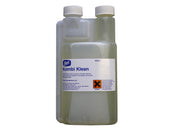
- Kombi Klean, for cleaning Fleet line marking systems
- CB 100 Cleaner, for tackling paint residue
- Nozzle Tip Cleaner, for cleaning spray tips and related components
The machine should be cleaned in line with its operating instructions after use. Nozzles, filters, hoses and fittings should also be checked regularly, particularly during periods of intensive marking.
9. Choosing the Right Paint
Selecting the correct paint is just as important as understanding the weather.
Fleet manufactures one of the UK's most comprehensive ranges of line marking paints, with products developed for different surfaces, application methods and marking requirements.
|
Surface |
Fleet Paint Options |
|
Natural & Hybrid Grass |
Pitchmarker Super C, Pitchmarker B Plus, Pitchmarker C, Pitchmarker Q2, Blinder, FORT, Scape, DROO |
|
Ready-to-Use Grass Paints |
|
|
Coloured Grass Marking |
|
|
Synthetic Sports Surfaces |
|
|
Hard Surfaces |
PMF Colour Range, HSZ Zoning Range, Quick Drying Road Paint, Aerosol Range |
Each product has been developed for specific applications, so always choose the paint best suited to your surface, machine and marking requirements.
Every Season Brings Different Challenges
No two seasons are the same.
|
Season |
Typical Challenges |
|
Spring |
Rapid grass growth, increased mowing and overmarking. |
|
Summer |
Heat, drought, irrigation and stressed turf. |
|
Autumn |
Leaves, debris, rain and softer ground conditions. |
|
Winter |
Frost, saturated pitches and slower drying conditions. |
Understanding these seasonal changes allows grounds teams to adapt their maintenance and line marking programmes throughout the year.
A Practical Weather Checklist
Before marking, ask yourself:
- What surface am I marking?
- Is it clean and properly prepared?
- Is there frost, heavy dew or standing water?
- Has irrigation recently taken place?
- Is the correct Fleet paint being used?
- Has the paint been prepared correctly?
- Is the machine clean?
- Are nozzles and filters clear?
- Is the weather forecast suitable?
- Will the surface receive heavy use immediately afterwards?
These simple checks take only a few minutes but can prevent wasted paint, inconsistent markings and unnecessary rework.
Weather Changes, Professional Standards Don't
The UK climate presents grounds professionals with almost every weather condition imaginable, sometimes within the same week.
Recent drought conditions have shown how quickly healthy turf can become dry and stressed, while at other times heavy rainfall, frost and strong winds create entirely different challenges.
Great line marking has never been about simply using more paint.
It comes from understanding the surface, preparing it properly, selecting the right Fleet product and using well-maintained equipment.
Whatever the forecast, those principles remain the same.
At Fleet Line Markers, we've spent decades helping grounds professionals achieve consistent, professional-quality results. Our comprehensive range of paints, line marking machines and maintenance products are designed to support every level of sport, whatever the weather.
If you'd like advice on selecting the right paint or machine for your facility, our experienced team will be happy to help.