
Creating sharp, professional-looking sports pitch markings takes more than simply loading up a machine and following a string line. Grounds teams across the UK know that even small mistakes in line marking can affect presentation, paint performance, gameplay, and long-term pitch quality.
From inconsistent paint flow to poor surface preparation, many common issues can lead to faded, crooked, or uneven lines, often costing additional time, paint, and labour to fix.
To help groundskeepers, sports clubs, councils, and contractors achieve the best possible results, we’ve put together nine of the most common line marking mistakes and, more importantly, how to avoid them.
1. Using the Wrong Paint for the Surface
One of the biggest mistakes in sports line marking is using a paint that isn’t suited to the surface being marked.
Different surfaces require different formulations:
- Natural grass behaves differently to synthetic turf
- Hard surfaces such as tarmac or asphalt require specialist coatings
- Synthetic surfaces will need stronger adhesion and durability
Using the wrong paint can result in:
- poor coverage
- reduced durability
- uneven finish
- excessive fading
How to Avoid It
Always match your paint to the surface:
- FORT or Pitchmarker Super C for natural and hybrid grass
- STC Colour Range for synthetic surfaces
- PMF Colour Range for hard surfaces such as playgrounds, courts, and pathways
Choosing the correct paint improves visibility, longevity, and overall presentation.
2. Poor Surface Preparation

Even the best paint and machinery will struggle if the surface hasn’t been prepared properly.
Common preparation issues include:
- muddy/wet grass
- damp or wet surface plus debris on synthetic turf
- excessive thatch
- laying grass cuttings/uneven mowing
- moss or dirt on hard surfaces
Paint adheres and performs best on clean, prepared surfaces.
How to Avoid It
Before marking:
- mow natural turf evenly
- remove debris and grass clippings
- brush synthetic surfaces
- clean hard surfaces thoroughly
- avoid marking during heavy surface moisture where possible
Proper preparation helps lines appear brighter and more consistent.
3. Inaccurate Initial Marking
The first mark-out is the foundation for the entire season. If measurements are incorrect at the beginning, every overmark afterwards will continue those inaccuracies.
Crooked touchlines or poorly aligned boxes can affect:
- pitch presentation
- compliance with regulations
- player perception
- officiating
How to Avoid It
Take extra care during the initial setup.
Modern technology has dramatically improved line marking accuracy. The BeamRider laser-guided system eliminates much of the guesswork involved with traditional string lines and measuring triangles, helping operators achieve perfectly straight, repeatable lines.
Accurate initial marking saves significant time later in the season.
4. Incorrect Paint Dilution
Over-diluting concentrated paint is a common issue, particularly when trying to reduce costs.
However, excessive dilution often causes:
- weak colour brightness
- reduced durability
- inconsistent spray patterns
- frequent re-marking
How to Avoid It
Always follow the manufacturer’s recommended dilution ratios.
Products such as Pitchmarker Super C are designed to provide excellent performance when diluted correctly. Sticking to recommended mixing rates ensures:
- brighter lines
- better coverage
- improved value over time
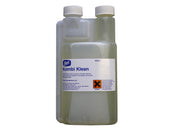
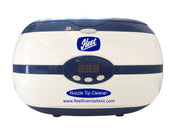
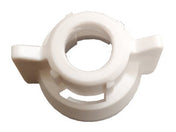
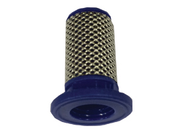
5. Neglecting Equipment Cleaning
Blocked nozzles and dirty spray systems are one of the most common causes of poor-quality markings.
Dried paint residue can lead to:
- uneven spray patterns and blocked nozzles
- splattering
- inconsistent line widths
- pressure issues
How to Avoid It
Clean machines thoroughly after every use.
Key maintenance products include:
Routine cleaning extends machine lifespan and ensures professional spray performance every time.
6. Marking in Poor Weather Conditions
Weather plays a major role in line marking performance.
Heavy rain, frost, excessive heat, or strong winds can affect:
- paint drying
- paint adhesion
- line brightness
- durability
Wet conditions can also cause paint to spread or dilute on contact with the surface.
How to Avoid It
Whenever possible:
- mark during dry conditions
- avoid frozen or saturated surfaces
- allow adequate drying time before play
In the UK’s unpredictable climate, timing can make a huge difference to line quality.
7. Inconsistent Line Widths
Uneven line widths immediately reduce the professional appearance of a pitch.
This often happens due to:
- incorrect nozzle use
- poorly maintained wheeled knib (line former)
- pressure fluctuations
- partially blocked spray tips
How to Avoid It
Regularly inspect:
- spray nozzles
- pressure systems
- wheeled knib
- machine calibration
Machines such as the Kombi range provide adjustable settings that help operators maintain consistent line widths throughout the entire pitch.
8. Ignoring High-Wear Areas

Areas such as:
- goal mouths
- centre circles
- touchline entrances
experience significantly more wear than the rest of the pitch.
Without additional attention, these areas quickly fade or become uneven.
How to Avoid It
High-traffic areas may require:
- more frequent overmarking
- additional surface repair
- overseeding
- improved drainage or aeration
A proactive maintenance approach keeps the entire pitch looking consistent.
9. Rushing the Job
Line marking is often one of the final tasks before training or matchday, which can lead to operators rushing through the process.
Unfortunately, rushing often causes:
- inaccurate lines
- missed areas
- inconsistent coverage
- avoidable mistakes
How to Avoid It
Build enough time into the preparation schedule for:
- setup
- marking
- drying time
- equipment cleaning afterwards
Taking a professional, methodical approach always delivers better long-term results.
Professional line marking is about far more than appearance. Accurate, durable, and consistent markings help improve:
- player experience
- safety
- presentation
- efficiency for grounds teams
By avoiding these common mistakes and using the right equipment, paints, and maintenance routines, sports facilities can consistently produce professional-quality results throughout the season.
Whether you’re maintaining a local grassroots pitch or an elite sports surface, attention to detail is what separates good markings from great ones.
Explore Fleet Line Markers’ full range of professional line marking paints, machines, and accessories designed to help grounds teams achieve outstanding results on every surface.